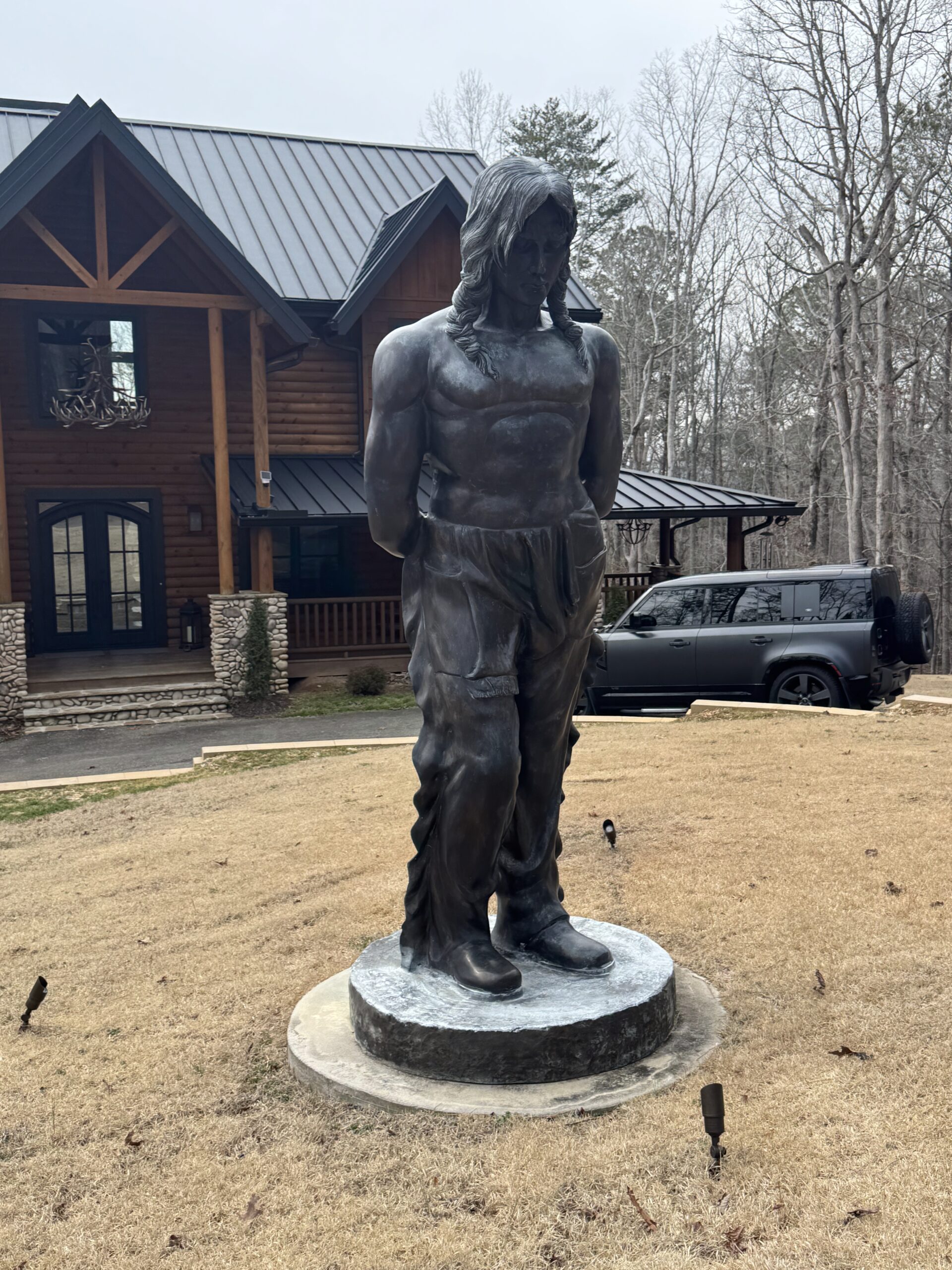
Bronze sculptures are built to last centuries. But “built to last” doesn’t mean “maintenance-free” — especially in Florida, where salt air, humidity, and intense UV exposure create the perfect storm for bronze deterioration.
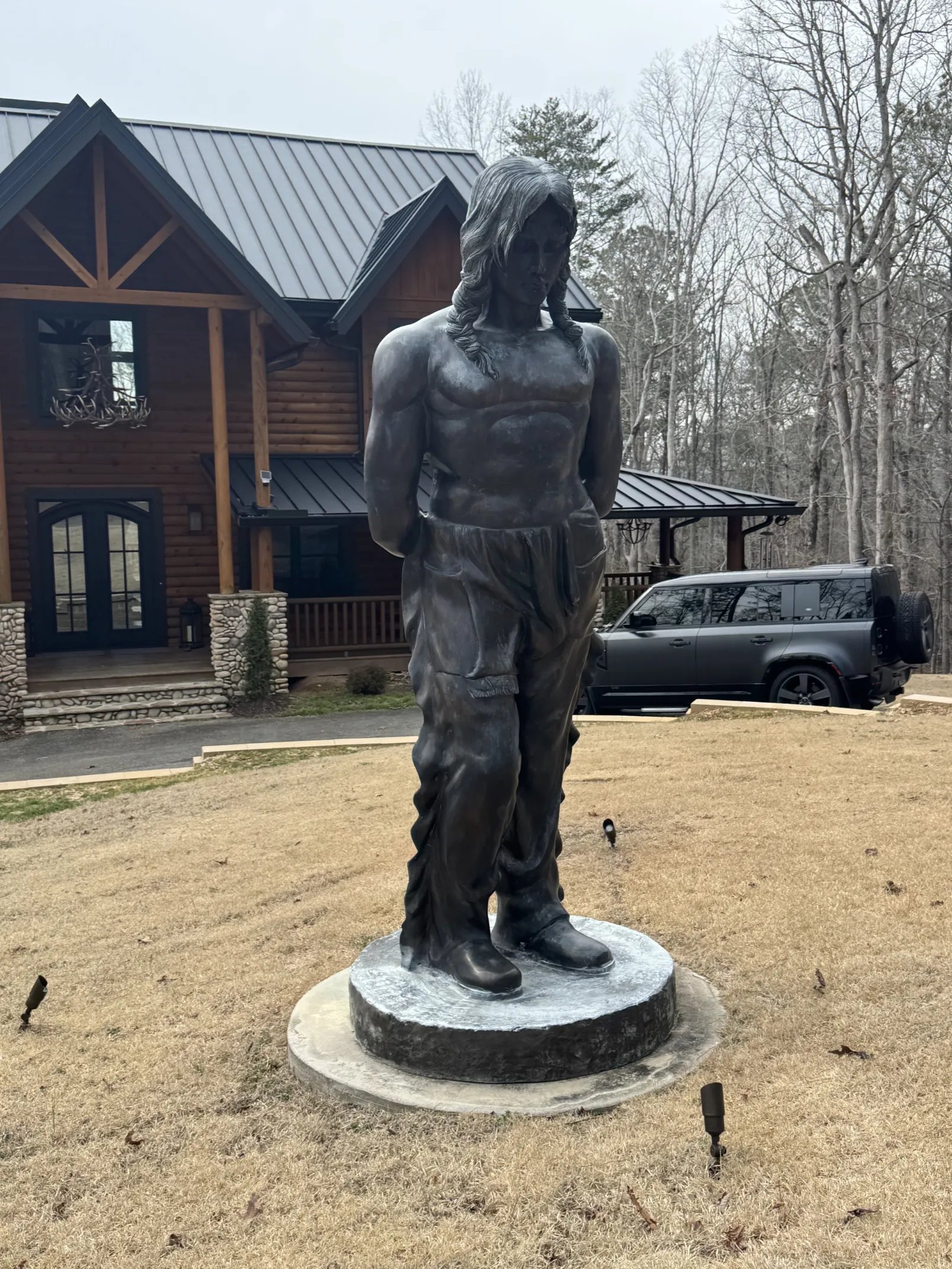
Whether you have a sculpture on your waterfront estate, a monument in your community, or a cherished piece in your garden, here are five signs it’s time to call a professional.
- Green or Blue-Green Discoloration
This is the most visible sign of oxidation. That green layer — called verdigris — forms when copper in the bronze reacts with moisture and oxygen. A light, even patina can be attractive and is sometimes intentional. But when you see uneven green patches, streaking, or heavy buildup, the oxidation is actively damaging the surface. In coastal Florida, this process accelerates dramatically.
- White or Chalky Spots
White deposits on bronze indicate mineral buildup from hard water, irrigation spray, or prolonged moisture exposure. These spots can etch into the surface if left untreated, creating permanent marks that are difficult to remove without professional tools and techniques.
- Dark Streaks or Staining
Dark runs or streaks usually come from water channeling across the surface during rain. Over time, these create uneven wear patterns in the patina and can expose raw bronze to further corrosion. If your sculpture has visible streaking, the protective coating has failed and needs to be reapplied.
- Rough or Pitted Surface Texture
Run your hand across the bronze. If it feels rough, gritty, or pitted instead of smooth, corrosion is eating into the metal itself. This is more serious than surface discoloration — it means the bronze is losing material. At this stage, professional intervention is necessary to stop the damage and restore the surface.
- Loss of Detail in the Sculpture
Compare your sculpture to how it looked when it was new or recently maintained. Can you still see the fine details — facial features, clothing texture, inscriptions? If those details are becoming soft, blurred, or hard to read, corrosion has been working on the surface for a long time. The sooner you address it, the more detail can be preserved.
What To Do Next
If your bronze shows any of these signs, the good news is that professional restoration can reverse most damage and protect the piece for years to come. The process typically includes cleaning, corrosion removal, patina restoration, and a protective wax or lacquer coating.
At AGG Bronze Restoration, we specialize in on-site and off-site bronze conservation across the entire state of Florida. We work with private collectors, luxury homeowners, cities, and government institutions. Call 561-264-0854 for a free assessment, or visit our Our Work page to see before-and-after transformations.
Comments are closed